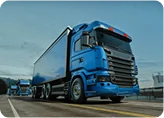

Sina Logística is a logistics company based in Santa Maria da Vitória, Bahia, that specializes in transporting both dry and refrigerated cargo—two operations that require extra care.
With 12 years in the market, the fleet consists of 43 vehicles with rotating drivers, and since April 2021, it has been conducting all fleet monitoring and fuel management through the INFLEET system. The person overseeing this entire operation and its metrics is Neuílton, who is responsible for fleet management.
The Problem
To better understand where the biggest fuel expenses lie, Neuílton began analyzing certain indicators in partnership with our customer success team. Notably, a collaboration that paid off!
Based on these analyses, it became clear that the fleet was spending, on average, 11% of its fuel costs due to engine idling. As we’ve mentioned here on the blog, engine idling is the time when the vehicle is stationary with the engine running. It’s the classic “engine running while stationary.” A practice that contributes to a significant increase in fuel consumption and wear on engine parts.
Neuíton also identified the need to automate refueling to control average consumption and fleet costs.
Analyzing indicators by operation was essential to understanding the impact of each one on the final cost.
Solution
Using INFLEET’s monitoring module, combined with a third-party routing system, Sina effectively managed route control, improving oversight of planned routes, route deviations, and delivery schedules.
Another positive result was the automation of refueling to control average fuel consumption and fleet costs. This result enabled improved data analysis, providing practical evidence of how data tracking yields insights to aid decision-making.
One detail that also made all the difference in the outcome was the implementation of the DDS (daily safety dialogue) with drivers, where Neuíton explained the best driving practices to increase safety and optimize the company’s operational costs.
Tools used
- INFLEET Monitoring Module
- INFLEET Fueling Module
- Routing system
Results
When we break down the company’s two operations, we see the positive results achieved by the group that transports refrigerated cargo.
In May, the fleet drove 20% more than in April, yet still managed to reduce idle time by around 7% and incidents per kilometer driven by around 6%. When analyzing the indicators for this operation, improvements were seen in idle time and speeding, which decreased by 15% and 11%, respectively.
Another point worth highlighting regarding refrigerated cargo, in terms of fuel savings, was around 253 liters in May alone—a 9.2% savings considering the level of idle time for this cargo.
This shows how much working together (fleet manager, drivers, INFLEET’s customer success team), combined with the implementation of improvements, leads to success.
If you want to solve your fleet’s main problems and don’t know where to start, click the banner below and speak with one of our experts.















Success stories
Check out other success stories

ALL Locações reduces unsafe driving incidents by 22.9% with INFLEET
27.03.2026
See case

The Verdes Mares Group reduced the number of incidents per kilometer driven by 49% with INFLEET
27.03.2026
See case
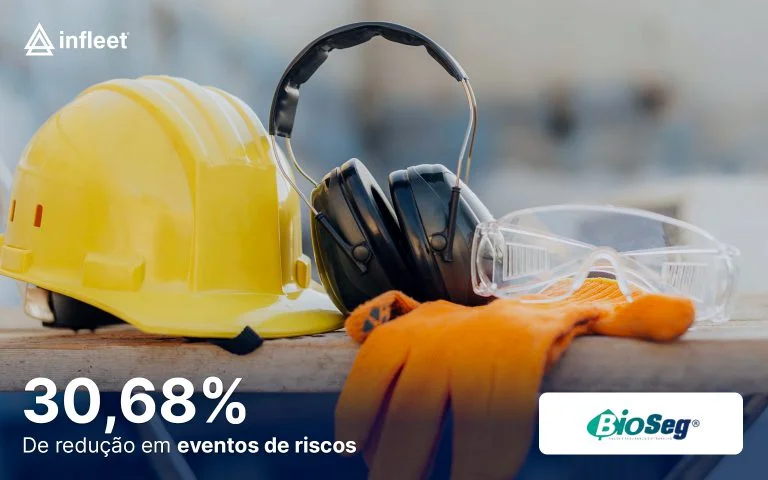
Bioseg reduced the number of risk incidents by 30.68% using the INFLEET Super App
27.03.2026
See case
Haidar Transportes reduced its fuel consumption by 15% using the INFLEET Super App
27.03.2026
See case

Sina Logística reduced idle time on its dry cargo route by 30% using the INFLEET Super App
27.03.2026
See case
Pró Saúde increases safe driving behavior by 46% with the INFLEET Super App
27.03.2026
See case